




Разработка новой редакции устава открытого акционерного общества после приобретения контрольного пакета российским инвестором для цели установления сбалансированных интересов инвестора и государства.

Белорусский производитель одежды
Новости по теме
Форум "Лига Экспорта. Крупным планом"
Сергей Машонский, старший партнер Arzinger, примет участие в качестве приглашённого эксперта в форуме «Лига экспорта».
Он выступит 18 июня в панельной дискуссии «Боли экспортёра: как застраховаться от ошибки».
Вместе с ведущими специалистами банковской и логистической сфер Сергей Машонский даст практические рекомендации по снижению рисков белорусского экспорта при выходе на внешние рынки – от оформления экспортных контрактов и финансовой защиты сделок до выбора надёжных логистических схем и страховых инструментов.
Уверены – участие в форуме будет полезно владельцам бизнеса, экспортным командам и всем, кто планирует работать на внешних рынках.
Участие в форуме бесплатное. Регистрация - по ссылке.
Круглый стол «Переговоры с китайскими партнёрами: практические инструменты для руководителей»
Два эксперта с дипломатическим и коммерческим опытом – Сергей Лебедев (экс-дипломат МИД РФ, AliExpress Россия) и Сергей Машонский (экс-дипломат МИД РБ, старший партнер Arzinger) – поделились своим опытом работы с китайскими партнерами и разобрали темы, с которыми сталкиваются компании, которые ведут бизнес с Китаем:
- Почему переговоры, которые «прошли хорошо», заканчиваются ничем;
- Как устроена иерархия принятия решений на китайской стороне;
- GR и лоббизм в Китае – почему без этого сложно закрыть крупную сделку;
- Тактики затягивания, давления и «потери лица» – как на них реагировать и как это влияет на сделку.
Актуальность проводимых мероприятий растет, так как увеличивается масштаб партнёрства. Цифры говорят сами за себя. Китай – второй торговый партнёр Беларуси. $8,9 млрд товарооборота в 2025 году. С привлечением китайского капитала и технологий в Беларуси в 2025 году реализовывалось более 60 инвестиционных проектов с объемом заявленных инвестиций порядка $1,6 млрд.
Умение договариваться с китайской стороной — уже не преимущество. Это необходимость.
Если вы руководитель предприятия, работающего с китайскими партнёрами, и хотите обсудить конкретную ситуацию, приглашаем к нам в офис на чашку кофе, или готовы поделиться опытом у вас на предприятии.
Живое наследие для будущих поколений
Сегодня наша команда высадила аллею из 20 лип и кленов в рамках добровольной общественной акции «Лес! Дабро! Парадак!».
Каждое дерево — это год пути, решений, людей и проектов, которые нас сформировали.
Благодарим коллег, партнёров и всех, кто помог организовать это мероприятие, а именно Смолевичский лесхоз в лице директора Пышного Андрея Леонидовича и главного лесничего Грищени Александра Владимировича, а также генерального директора Минского ГПЛХО Ульдиновича Сергея Станиславовича
Через некоторое время здесь вырастет прекрасная аллея. И пусть деревья растут вместе с компанией — и у тех, и у других впереди ещё большой путь!!!
Санкции ЕС и критерий (g): Суд ЕС ограничил «автоматический» подход Совета ЕС
В марте 2026 года Суд ЕС вынес решение сразу по нескольким апелляциям, объединенным в одно производство: C-696/23 P (Дмитрий Пумпянский против Совета ЕС), C-704/23 P (Тигран Худавердян против Совета ЕС), C-711/23 P (Виктор Рашников против Совета ЕС), C-35/24 P (Дмитрий Мазепин против Совета ЕС) и C-111/24 P (Герман Хан против Совета ЕС).
ПРЕДМЕТ ОСПАРИВАНИЯ – КРИТЕРИЙ (G)
Речь идет о так называемом объединенном апелляционном решении (joined cases), когда Суд рассматривает несколько дел вместе, поскольку они поднимают одни и те же правовые вопросы. В данном случае – применение одного из ключевых критериев санкционного режима ЕС против России, известного как критерий (g).
Этот критерий позволяет включать в санкционные списки «ведущих предпринимателей, осуществляющих деятельность в экономических секторах, обеспечивающих существенные поступления доходов Правительству Российской Федерации» (“leading businesspersons operating in economic sectors providing a substantial source of revenue to the Russian Government”). Именно его толкование и стало центральным вопросом всех пяти дел.
Заявители, среди которых крупнейшие российские предприниматели и топ-менеджеры, оспаривали решения Совета, указывая на системную проблему: на практике критерий (g) применялся как почти автоматический. Можно было указать, что лицо является крупным бизнесменом и действует в экономически значимом секторе, – и это считалось достаточным для листинга.
ПОЗИЦИЯ СУДА: СЕКТОРАЛЬНЫЙ, НО НЕ АВТОМАТИЧЕСКИЙ ПОДХОД
В своем решении Суд ЕС начал с принципиального уточнения конструкции критерия. В пунктах 98–127 решения судьи прямо указали, что критерий «обеспечения существенного поступления доходов» относится к экономическим секторам, а не к отдельным бизнесменам. Иными словами, институт ЕС сознательно построил критерий как секторальный, а не персональный: именно сектор должен быть значимым источником доходов для государства.
На первый взгляд это выглядит как облегчение бремени доказывания для Совета ЕС: нет необходимости показывать, сколько именно налогов платит конкретное лицо или какую долю бюджета оно формирует. Однако Суд не остановился на этом и сразу же поставил важное ограничение: хотя критерий (g) относится к экономическим секторам, включение лица в список требует индивидуализированной оценки его роли и не может основываться исключительно на принадлежности к соответствующему сектору.
Иными словами, критерий (g) не допускает автоматического переноса характеристик сектора на любое лицо, которое в нем действует. Иначе критерий превратился бы в форму коллективной ответственности, что противоречит базовой логике ограничительных мер ЕС, которые по своей природе являются индивидуальными мерами.
Из решения и сопровождающего пресс-релиза следует, что Суд фактически опирается на два уровня анализа.
С одной стороны, необходимо установить, что соответствующий сектор действительно генерирует существенные доходы для государства. Это макроэкономический элемент, который может подтверждаться общими данными об отрасли.
С другой стороны – и это центральный момент решения – Совет ЕС обязан показать, что конкретное лицо реально связано с этим сектором таким образом, который делает его релевантным для применения критерия.
Суд не требует доказательства прямых финансовых потоков от лица к государству – например, конкретных налоговых платежей или дивидендов. Однако он требует продемонстрировать, что лицо не является случайным или периферийным участником. Речь идет о существенной роли в секторе, которая позволяет рассматривать его как часть экономической структуры, генерирующей доходы для государства.
Таким образом, в логике Суда ЕС связь между лицом и государственными доходами носит опосредованный характер: через участие в секторе, а не через прямые платежи.
ЧТО ЭТО ОЗНАЧАЕТ ДЛЯ ПРАКТИКИ ОСПАРИВАНИЯ САНКЦИЙ
Решение по объединенному делу C-696/23, C-704/23 P, C-711/23 P, C-35/24 P, C-111/24 P не меняет фундаментально архитектуру санкционного режима, но заметно уточняет стандарт доказанности – и именно в этом его практическая ценность.
Во-первых, Суд ЕС явно ограничивает возможность Совета ЕС опираться исключительно на категориальные формулировки. Само по себе указание на «важный сектор» и статус «ведущего предпринимателя» больше не выглядит достаточным без дополнительного анализа роли лица в конкретном секторе экономики.
Во-вторых, усиливается требование к индивидуализации. Это открывает пространство для аргументов о том, что заявитель (лицо, оспаривающее введение санкций):
- не осуществляет контроля над бизнесом,
- не занимает ключевых позиций в отрасли,
- действует в ограниченном или вспомогательном сегменте,
- либо в принципе не влияет на экономическую динамику сектора.
В-третьих, решение закрепляет важный принцип: принадлежность к сектору не равна участию в финансировании государства. Это особенно значимо для миноритарных акционеров, инвесторов и менеджмента без решающего влияния.
Наконец, Суд ЕС косвенно усиливает требования к качеству доказательственной базы Совета ЕС. Обобщенные ссылки на роль сектора или на публичные источники без конкретизации роли лица становятся более уязвимыми в судебном процессе.
Заседание рабочей группы по международной торговле и инвестициям в условиях санкций
Группа действует при Совете руководителей юридических служб предприятий – членов Белорусской торгово-промышленной палаты, а возглавляет её работу Сергей Машонский, старший партнёр юридической фирмы Arzinger.
В качестве приоритетных направлений работы были выделены следующие направления:
- мониторинг санкционного и контрсанкционного регулирования в зарубежных странах и Республике Беларусь, оценка его влияния на белорусский бизнес;
- анализ судебной практики ЕС и практическая помощь в защите интересов отечественных предприятий;
- выявление и систематизация типовых проблем в международной торговле и инвестиционной деятельности – от расчётов до договорных механизмов снижения рисков;
- оценка рисков долгосрочных проектов с участием иностранных контрагентов: поставка оборудования, строительство, инвестиционная деятельность;
- подготовка практических материалов: аналитические обзоры, гайды, чек-листы, типовые контрактные оговорки.
Основная цель работы группы – предоставить белорусским предприятиям доступ к актуальной правовой экспертизе и практическим инструментам для защиты их интересов в сфере международной торговли и инвестиций.
Конференция Республиканского союза промышленников и предпринимателей
19 марта 2026 года состоялась расширенная конференция Республиканского союза промышленников и предпринимателей (РСПП) на тему «Инвестиции и качество продукции частных компаний ‒ резерв роста экономики Республики Беларусь».
Мероприятие прошло в отеле Waldorf Astoria Minsk и собрало членов Совета по развитию предпринимательства, руководителей и собственников крупных частных компаний страны, представителей государственных органов, а также компании с иностранным участием, работающие в Беларуси.
Центральной темой обсуждения в рамках конференции стала роль частных компаний в обеспечении устойчивого роста, повышении качества продукции, в том числе импортозамещающей и экспортной.
Участие Сергея Машонского в данном форуме подтверждает активную позицию юридической фирмы Arzinger в диалоге между бизнесом и государством. Команда компании последовательно поддерживает развитие правовой среды, создающей благоприятные условия для инвестиций и роста частного предпринимательства в Республике Беларусь.
Реклама и ИИ: риски и ответственность
Разбираем, что может пойти не так, кто несёт ответственность и как защитить себя.
1. ИИ использует чужое без разрешения
Закон прямо запрещает использовать в рекламе имена, образы и высказывания граждан без их согласия, а также товарные знаки, эмблемы и изображения имущества организаций ‒ если у рекламодателя нет на это права.
Генеративный ИИ «не видит» этих ограничений. Создавая визуальные образы, он может воспроизвести узнаваемое здание, товарный знак или элемент фирменного стиля чужого бренда ‒ и рекламодатель об этом не узнает до появления претензий.
Пример из практики:
«В рекламе алкогольного напитка, размещавшейся в журнале, использовалось изображение известного минского здания. Организация, в ведении которой оно находится, согласия не давала ‒ и обратилась в контролирующий орган с требованием признать рекламу ненадлежащей.»
Ответственность рекламодателя:
- Предписание МАРТ прекратить распространение рекламы ‒ удалить с физических носителей и из онлайна;
- Возможное требование разместить контррекламу ‒ публичное «извинение» или опровержение;
- Штраф от 20 до 50 базовых величин.
2. Нарушение права на товарный знак
Справка: Товарный знак ‒ любое обозначение, позволяющее отличить товары одного производителя от другого: словесное обозначение, имена собственные, буквенные, цифровые, изобразительные, объёмные обозначения, цвет и их комбинации. Владелец знака вправе запрещать его использование третьими лицами.
Нарушением признаётся использование товарного знака с незначительными изменениями отдельных элементов, если они не влияют на различительную способность знака. Иными словами, «чуть изменённый» товарный знак конкурента ‒это всё равно нарушение.
Нарушение признаётся таковым только применительно к однородным товарам. Исключение ‒ общеизвестные товарные знаки: для них запрет действует независимо от категории рекламируемого товара.
Мировой прецедент: Disney vs Microsoft Bing AI
Инструмент Bing AI на базе DALL-E 3 позволял генерировать изображения «в стиле Pixar» и включал в результаты логотип Disney–Pixar. Disney выразила неодобрение: даже в изменённом виде логотип оставался узнаваемым. Ситуация остаётся неурегулированной.
Мировой прецедент: Getty Images vs Stability AI
В 2023 году Getty Images подала иск против Stability AI, обвинив компанию в нелицензированном использовании более 12 млн. фотографий для обучения StableDiffusion. Среди претензий ‒ воспроизведение водяных знаков Getty в генерируемых изображениях.
В случае незаконного использования товарного знака его владелец вправе:
- Потребовать удаления знака с товаров, этикеток, упаковок;
- Потребовать изъятия и уничтожения контрафактных товаров;
- Взыскать убытки или компенсацию от 1 до 50 000 базовых величин ‒ размер определяет суд;
- Потребовать пресечения действий, нарушающих его права.
3. Нарушение антимонопольного законодательства
Использование не товарного знака, а логотипа или цветовой схемы конкурента ‒ тоже небезопасно. Закон запрещает действия, способные создать смешение с деятельностью другого субъекта: копирование или имитацию внешнего вида товара, его упаковки, этикетки, наименования, цветовой гаммы и иных элементов, индивидуализирующих конкурента и (или) его товар.
Санкции за недобросовестную конкуренцию:
- Предписание МАРТ прекратить противоправные действия;
- Штраф до 10 % годовой выручки от реализации товара на соответствующем рынке.
4. ИИ производит ненадлежащую рекламу
Даже если ИИ не нарушает чужих прав, он может создать рекламу, прямо запрещённую законом.
Справка: Неэтичная реклама ‒ та, которая нарушает нормы морали, оскорбляет людей по признакам расы, национальности, пола, возраста, религии; порочит государственные символы, организации или граждан; дискредитирует тех, кто не пользуется рекламируемым товаром; имитирует рекламу другого рекламодателя. Недостоверная реклама ‒ та, которая содержит ложные сведения о составе, свойствах, дате изготовления, условиях применения товара.
Красивые картинки, созданные ИИ, могут обещать то, чего нет в реальности‒ и это уже нарушение закона.
Кейс: «Вилли Вонка» в Глазго, 2024
Организаторы продали более 800 билетов по 35 фунтов, используя красочные ИИ-визуализации «шоколадного мира». На деле посетителей встретил тускло-освещённый склад без конфет и актёры с разрозненными репликами. Скандал мгновенно стал вирусным. Организатор публично извинился и вернул деньги.
5. Что говорят создатели ИИ о защите интеллектуальной собственности
Ведущие генеративные платформы ‒ DeepSeek, Midjourney, Wombo, ChatGPT /DALL-E ‒ декларируют в своих условиях использования соблюдение прав на интеллектуальную собственность. Однако реальный механизм контроля остаётся несовершенным.
На законодательном уровне Европейский союз в Регламенте об ИИ (ст. 53) уже обязал поставщиков ИИ-моделей общего назначения внедрить политику соблюдения авторского права. В Беларуси аналогичных специальных норм пока нет ‒ ответственность несёт рекламодатель.
6. Можно ли охранять результат работы ИИ
В Беларуси ‒ да, при определённых условиях. Если человек своим творческим трудом создал произведение с помощью ИИ, и пользовательское соглашение платформы не ограничивает его права, то автор может использовать произведение по своему усмотрению в любой форме и любым способом. Для регистрации товарного знака его происхождение ‒ «нейросеть или человек» ‒ значения не имеет.
Важно помнить: сгенерированное обозначение не должно быть сходным до степени смешения с уже зарегистрированными товарными знаками, охраняемыми фирменными наименованиями или названиями известных произведений.
Международный прецедент: Zarya of the Dawn
Бюро по авторским правам США постановило: авторское право писательницы Крис Каштановой распространяется только на тот текст и художественное оформление, которые она создала лично. Изображения, сгенерированные Midjourney без достаточного «творческого вклада» человека, из-под охраны были исключены.
7. Практические советы по работе с ИИ в рекламе
- Изучайте условия использования конкретной системы ИИ в части соблюдения прав третьих лиц на объекты интеллектуальной собственности;
- Проверяйте результат с помощью специализированных ИИ-инструментов по осуществлению поиска по базам товарных знаков (НЦИС, WIPO), иных объектов интеллектуальной собственности на предмет нахождения схожих или тождественных изображений;
- Изучите конкурентов «вручную». Составьте самостоятельно (без ИИ) представление об используемых конкурентами товарных знаках, логотипах, лозунгах и изображениях;
- Тщательно проверяйте итоговый контент. Особенно при работе с «чувствительными» проектами или с государственным участием ‒ ошибки ИИ здесь обходятся дороже всего.
Опыт Arzinger по проектам с КНР
Мы работаем на стыке китайской бизнес-логики, интересов государства и требований белорусского регулирования, обеспечивая для китайской и белорусской сторон предсказуемость, контроль рисков и устойчивую реализацию проектов.
Ключевые акценты нашего опыта:
- сопровождение проектов с участием китайских государственных корпораций, политических банков, частных инвестиционных фондов и технологических лидеров;
- структурирование проектного финансирования, совместных предприятий и производств с участием китайского капитала;
- глубокое понимание специфики проектов с государственным участием, EPC-контрактов и инфраструктурных инициатив;
- адаптация китайских корпоративных, финансовых и управленческих моделей под требования белорусского законодательства;
- сопровождение проектов в чувствительных зонах: валютное регулирование, санкции и контрсанкционные меры, трансграничные платежи, комплаенс;
- роль локального юридического навигатора, обеспечивающего понятное взаимодействие китайских инвесторов с государственными органами и регуляторами.
I. Государственные корпорации, банки и инфраструктурные проекты
1. Сопровождали кредитное финансирование первой очереди строительства Китайско‑Белорусского индустриального парка «Великий Камень», где заемщиком выступила China Merchants Commerce & Logistics Corporation, а кредитором – China Development Bank. Наша команда адаптировала китайскую модель финансирования и договорную структуру под белорусское регулирование, обеспечив полное соответствие требованиям валютного контроля и закона. Благодаря нашему подходу китайская сторона получила прозрачную и предсказуемую структуру проекта, понятное взаимодействие с государственными органами и уверенность в его стабильной реализации.
2. Консультировали China Merchants Group по вопросам корпоративного управления в совместном предприятии на территории Беларуси, а также по вопросам трудового, налогового, корпоративного, лицензионного и иного регулирования. Мы учитываем специфику участия государства в капитале совместного предприятия, особенности корпоративного управления и хозяйственной деятельности компаний со смешанной формой собственности. Благодаря нашему профессиональному сопровождению клиент выстроил и сохраняет конструктивное и устойчивое сотрудничество, успешно ведёт бизнес в Беларуси и продолжает реализацию одного из ключевых инфраструктурных проектов региона.
3. Консультировали China Development Bank по вопросам внесения изменений в кредитное соглашение по проектному финансированию белорусского предприятия. Из-за прекращения публикации с 30 июня2023 года процентных ставок LIBOR для всех операций в долларах США (к этой ставке было привязано кредитное соглашение), стороны планировали заключить дополнительное соглашение об изменении базовой процентной ставки. Наша команда проанализировала документы на риски. Благодаря нашим рекомендациям риски были оперативно устранены.
4. Сопровождаем проект по созданию в Беларуси производства паркетной доски премиального качества с участием China International Trust and Investment Corporation. В рамках реализации проекта мы консультируем по правовым аспектам инвестирования в Республике Беларусь, включая анализ и возможное применение льготных инвестиционных режимов, что повысило привлекательность проекта для иностранного партнера и поспособствовало выстраиванию долгосрочных отношений.
5. Представляли интересы белорусского государственного производителя при структурировании стратегического партнерства с Shangha iRich‑Yield Private Fund Management Co., Ltd. по запуску нового деревообрабатывающего производства в Беларуси в рамках инициативы «Один пояс, один путь». Наша команда разработала структуру сотрудничества, предусматривающую распределение ролей между белорусской промышленной площадкой и китайским инвестором, учитывая специфику использования законсервированной целлюлозной площадки и задав механизм дальнейшего создания совместного предприятия. Мы перевели ожидания китайского фонда в части защиты инвестиций, поэтапной подготовки проекта, оценки неденежных вкладов и применения льгот на понятные и исполнимые обязательства для белорусской стороны. Этот кейс показывает, как китайский институциональный инвестор может заходить в сложные, капиталоемкие проекты в Беларуси на структурированной и понятной основе, опираясь на локальную юридическую экспертизу, учитывающую интересы государства и логику принятия решений китайской стороной.
II. Производственные проекты и совместные предприятия
6. Представляли интересы компании Midea в процессе создания и структурирования совместного предприятия по производству холодильников и другой бытовой техники в Беларуси. Мы перевели ожидания китайского инвестора по контролю, санкционному и регуляторному комплаенсу, защите доли и выходу из проекта на язык белорусского права, встроив китайскую модель управления в местные корпоративные и публично-правовые реалии. Такой подход позволил китайской стороне сохранить стратегический контроль над производством, минимизировать регуляторные риски и использовать весь потенциал Беларуси как отличного производственного и логистического хаба для рынков ЕАЭС.
7. Сопровождали проект компании Midea по структурированию совместного производства микроволновых печей с крупным государственным заводом. В рамках проекта мы провели анализ рисков, разработали стратегию реструктуризации с дорожной картой, подготовили полный пакет корпоративных документов (протоколы, уведомления, договор купли-продажи доли, устав и акционерное соглашение). Китайские документы были адаптированы нами под локальные требования с положениями для защиты интересов клиента.
8. Помогли крупному китайскому производителю бытовой техники запустить в Беларуси новое производственное предприятие на преференциальных условиях. В наши задачи входили переговоры с администрацией свободной экономической зоны, обоснование инвестиционного бизнес-проекта клиента и подготовка договора об условиях деятельности дочерней компании клиента в СЭЗ. Наша помощь позволила клиенту согласовать условия и объемы производства и экспорта товаров в государства ЕАЭС. Мы также консультировали клиента по условиям членства в региональном технологическом парке, что открыло для клиента возможности получения грантов на развитие инновационного производства.
9. Представляли интересы китайской строительной группы компаний China Triumph Engineering в процессе инкорпорации в Беларуси и подготовки к началу строительной деятельности. Мы помогли клиенту создать компанию в преференциальном индустриальном парке «Великий камень» в Минской области, подготовили все необходимые корпоративные документы и обосновали соответствие инвестиционного проекта клиента всем критериям, установленным Парком. Кроме того, мы провели юридическую экспертизу первого запланированного проекта клиента в Беларуси с проверкой всех правовых обременений и ограничений, связанных с потенциальным участком строительства.
10. Сопровождаем проект по строительству нового полиграфического предприятия, реализуемый генеральным подрядчиком на условиях «под ключ» (проектирование объекта и выполнение строительно-монтажных работ, а также изготовление и поставку сложного технологического оборудования и обеспечение введения готового объекта в эксплуатацию).
III. Торговля, цепочки поставок и операционное структурирование
11. Помогли китайскому производителю техники в организации цепочки поставок и платежей между головной компанией группы в Китае, дочерними предприятиями и дистрибьюторами в Беларуси и России. Клиент столкнулся с трудностями в обеспечении стабильных поставок из Китая в адрес своих дистрибьюторов из-за проблем с платежами и логистикой. Клиент поручил нам разработать подходящую модель перепродажи с участием своей белорусской дочерней компании. Мы проанализировали налоговое и внешнеторговое законодательство, выявили риски, связанные с регулированием посреднических платежных услуг, и помогли обеспечить стабильные и безопасные поставки товаров в ЕАЭС.
12. Помогли китайскому производителю деталей и компонентов для электромобилей определить правовые рамки ведения бизнеса с белорусскими партнерами. Мы адаптировали модель работы клиента под применимые налоговые, валютные и платежные аспекты законодательства, которые потенциально могли повлиять на экспорт товаров клиента в Беларусь, и помогли клиенту организовать соответствующий всем требованиям международного комплаенса транзакционный поток между Беларусью и Китаем.
IV. Санкционный и контрсанкционный комплаенс, управление регуляторными рисками
13. Консультировали китайского производителя оборудования по вопросам санкционного комплаенса США и ЕС в связи с реализуемыми на территории Беларуси проектами. После тщательного изучения с привлечением американских и европейских юристов нами было предоставлено подтверждение о полном отсутствии санкционных рисков, что позволило клиенту продолжить работу на территории Беларуси.
14. Консультировали китайское частное производственное предприятие по вопросам законодательства Республики Беларусь о контр-санкционных мерах в связи с ограничениями зарубежных стран (изъятие имущества, внешнее управление и пр.). В результате работы были предприняты шаги, которые позволили продолжить реализовывать проекты на территории Беларуси.
V. Технологические проекты, цифровые платформы и криптоиндустрия
15. Сопровождаем компанию ByteDance (TikTok) на белорусском рынке. Оказываем юридическую поддержку клиенту по вопросам применения белорусского законодательства к деятельности платформы, включая регулирование в сфере информации, персональных данных, интеллектуальной собственности и рекламы. Мы отслеживаем ключевые законотворческие изменения, влияющие на бизнес клиента, и обеспечиваем своевременную адаптацию деятельности платформы к применимым требованиям.
16. Консультировали крупного китайского производителя оборудования для майнинга по вопросам расширения бизнеса в Беларуси. Мы адаптировали бизнес клиента под требования законодательства о налогах и сборах и внешнеторговой деятельности, регулирующее поставку специального оборудования для майнинга белорусским компаниям, с учетом особых ограничений, установленных в рамках белорусского IT-кластера – Парка высоких технологий. Мы описали ограничения и условия, связанные с расчетами с местными партнерами в криптовалютах, а также правовую основу функционирования коммерческих трастов. Кроме того, мы предоставили полное описание налоговых льгот, доступных криптомайнинговым компаниями – резидентам Парка высоких технологий.
17. Консультировали компанию Bitmain по вопросам запуска первого в Беларуси крупного крипто‑майнингового дата‑центра. На основе проведённого анализа мы подготовили рекомендации по оптимизации проекта, выявили правовые и регуляторные риски, предложив эффективные механизмы их снижения. В результате разработанные решения позволили клиенту беспрепятственно запустить крипто‑майнинговый дата‑центр и обеспечить его полное соответствие требованиям законодательства.
VI. Переговоры, взаимодействие с китайскими юридическими консультантами и разрешение споров
18. Представляли интересы белорусского производителя удобрений в переговорах с одной из крупнейших государственных корпораций Китая по вопросам строительства нового индустриального комплекса на территории Республики Беларусь. При нашем участии были достигнуты договоренности по ключевым параметрам сотрудничества и оформлены подготовительные документы, но проект был поставлен на паузу.
19. Совместно с ведущей китайской юридической фирмой консультировали крупнейшего мирового производителя карьерной техники по вопросам корпоративного управления в совместном предприятии, зарегистрированном в КНР.
20. Представляли интересы Huawei в споре с генеральным подрядчиком по взысканию с нашего клиента денежных средств по договору строительного подряда с неизменной ценой. Мы доказали, что дополнительное вознаграждение, требуемое генеральным подрядчиком, не подлежит взысканию с клиента, ввиду того, что договоры с неизменной ценой не предусматривают возможность ее увеличения в связи с наличием курсовых разниц, когда цена работ выражена в иностранной валюте по курсу к белорусскому рублю. Дело было выиграно нашим клиентом в суде первой инстанции. Обжаловать решение суда генеральный подрядчик не стал.
От участника до арбитра🎓
Конкурс направлен на формирование и развитие у студентов практических навыков в сфере права международной торговли и международного коммерческого арбитража – от подготовки меморандумов до участия в устных слушаниях по сложным и приближенным к реальной практике кейсам.
Особенность момента: несколько лет назад Илона сама была участницей этого конкурса, а сегодня оценивает выступления студентов на устных слушаниях.
В Arzinger мы убеждены: инвестиции в молодых специалистов — это инвестиции в будущее юридической профессии. Поддержка образовательных инициатив и передача практического опыта следующему поколению юристов - неотъемлемая часть нашей работы.
Благодарим организаторов конкурса за вклад в развитие юридического сообщества, а участников – за впечатляющий уровень подготовки! 🙌

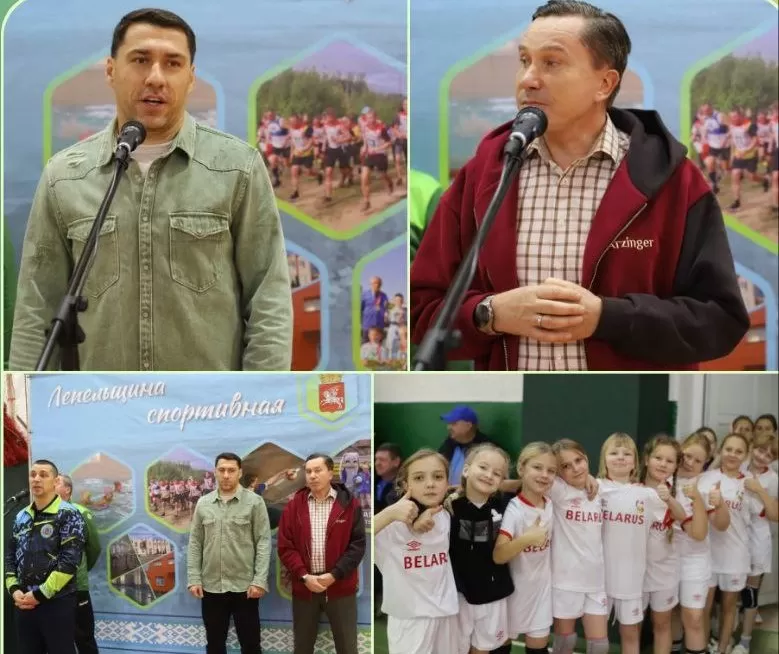
Арцингер - партнер спортивных побед
15 ноября 2025 года физкультурно-оздоровительный центр города Лепель превратился в настоящую арену спортивных страстей!
Республиканское открытое первенство Лепельского района по гандболу среди девушек 2015-2017 годов рождения на призы ООО «Арцингер Лигал» собрало лучшие молодежные команды со всей Беларуси.
Юные гандболистки из разных уголков страны вышли на площадку, чтобы доказать: белорусский женский гандбол имеет блестящее будущее!
В церемонии открытия первенства приняли участие Борис Пуховский, легенда белорусского и мирового гандбола, и Сергей Машонский, старший партнер Арцингер.
Для компании Арцингер большая честь поддерживать молодёжный спорт. Мы уверены: эти инвестиции – это самые важные инвестиции, которые может сделать бизнес, ведь на таких площадках растут будущие чемпионки Беларуси, чьи упорство, труд и самоотдача делают нашу страну сильнее с каждым днём.