





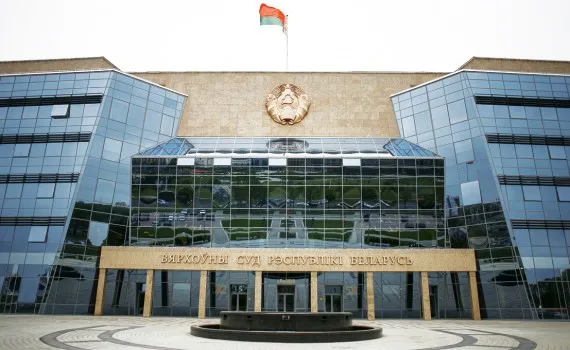
Высший судебный орган сформулировал понятие деловой цели: «в избранном плательщиком варианте сделки (операции) не должен присутствовать признак искусственности, лишенной хозяйственного и экономического смысла». И дал примеры действий субъектов хозяйствования, в которых отсутствует экономическая обоснованность, т.к. сделки имеют единственную цель - занизить суммы налогов.
Таким образом, субъекты хозяйствования получили «информацию к размышлению», а судебные органы – «руководство к применению». Верховный суд Республики Беларусь указал, что «необходимо также учитывать, что плательщик вправе проверить в доступных государственных информационных ресурсах сведения о благонадежности репутации контрагента (подп. 1.13 п. 1 ст.21 НК)» . Зарубежному законодательству это известно под наименованием доктрины «должной осмотрительности»: суть которой в том, что налогоплательщик должен проявить разумную осмотрительность при выборе контрагента (правоспособность, полномочия представителей, добросовестность по уплате налогов…). С одной стороны, прямых требований законодательства о проверке деловой репутации контрагента нет. С другой стороны, именно налогоплательщик осуществляет самостоятельный выбор партнеров по бизнесу и судебная практика многих стран исходит из того, что несправедливо было бы возлагать на бюджет последствия неосмотрительного выбора партнера.
Учитывая отсутствие сложившейся правоприменительной практики в нашей стране, а также понимая, что в зарубежных странах многие понятия, касающиеся вопросов противодействия уклонению от уплаты налогов давно устоялись именно как судебные доктрины, т.е. как правовой инструмент, состоящий из принятых законодателем положений и разработанных судами норм общего права, можем рассмотреть примеры, данные в разъяснениях Верховного суда с точки зрения зарубежных доктрин, давно применяемых судами других стран:
доктрина экономической сущности, в соответствии с которой для получения налоговой льготы необходимо, чтобы сделка вела к значимому изменению экономического положения налогоплательщика, а не к намеренному уменьшению размеров налога. Эта доктрина предназначена для выявления притворных сделок, единственная цель которых – получение налоговых льгот. При этом сделка не обязательно должна в действительности генерировать прибыль, она должна всего лишь обладать перспективой получения прибыли. Сделка будет признана лишенной экономической сущности и не будет учтена, если у нее полностью отсутствуют перспективы получения прибыли (пример из разъяснений ВС РБ - проведение разовых экспортных операций, облагаемых по ставке НДС в размере 10%, на незначительные суммы для получения права на зачет (возврат) НДС из бюджета в полном объеме, в десятки раз превышающего оборот по реализации;
доктрина притворной сделки, которая позволяет объединить несколько этапов сделки, если промежуточные этапы признаны несущественными для общего результата. Экономическая деятельность, направленная на получение налоговых льгот, в таких сделках фактически не осуществляется (пример из разъяснений ВС РБ - оформлении недостоверных первичных учетных документов по реализации товаров на внутреннем рынке по ставке НДС в размере 10% по ценам, ниже себестоимости (цены приобретения), повлекшее превышение вычетов по НДС над исчисленным налогом и вычет НДС в полном объеме при отсутствии фактической реализации; отражение в налоговых декларациях выручки от реализации товаров (работ, услуг) в минимальном размере и заявление к возврату вычетов по НДС в полном объеме (под ставку 10%), когда товар фактически не приобретался; использование ИП для документирования хозяйственной операции с целью неправомерного возврата сумм НДС, а также обналичивания полученных ИП денежных средств и т.д.
доктрина деловой цели, которая позволяет суду пренебречь сделкой, если, изучая мотивы налогоплательщика, суд придет к выводу, что у налогоплательщика не было другой цели, кроме уменьшения налоговых обязательств. Под особым вниманием находится необычная сделка, в рамках которой одновременно осуществлялась деятельность, целью которой было уклонение от уплаты налогов, и деятельность, направленная на достижение заслуживающей доверия деловой цели. И если суд убедится, что деятельность компании направлена на создание лишь видимости законной цели, то он разделит сделку: не станет принимать во внимание ту, которую признает направленной на уклонение от уплаты налогов (пример из разъяснений ВС РБ - передача вычетов по НДС при реорганизации, в т.ч. «по цепочке» с осуществлением нескольких реорганизаций);
доктрина «вытянутой руки» («цена на расстоянии вытянутой руки») направлена прежде всего на борьбу с трансфертным ценообразованием, когда в результате движения (по документам) товара по некоей цепочке аффилированных предприятий происходит перенос налоговой базы на компании, имеющие налоговые льготы или не исполняющие свои налоговые обязательства. Доктрина «вытянутой руки» означает, что обычные налоговые режимы для сделок компаний (с учетом льгот и выгодных для налогоплательщика и его контрагентов соглашений об избежании двойного налогообложения), установленные налоговым законодательством, применимы в сделках между не взаимозависимыми предприятиями, действующими как самостоятельные экономические агенты в своем интересе, а не в интересах холдинга, в который они входят. Данная доктрина серьезно увеличивает налоговые риски для предприятий, которые создают трансфертные цепочки из торгующих и закупочных «дочек». Даже если не удается доказать факт прямой или косвенной аффилированности между компанией и контрагентом-посредником, то суды и налоговые органы будут анализировать ответ на вопрос - почему налогоплательщик не закупил товар напрямую у поставщика или почему компания, длительно работавшая напрямую с поставщиком, перешла на работу с посредником, закупая те же товары дороже.
доктрина «сделки по шагам»: сделка рассматривается как единое целое, а не как последовательность «шагов», то есть суд может объединить формально отделенные друг от друга «шаги», чтобы определить налоговые последствия сделки в целом;
доктрина преобладания существа над формой применяется, когда результат, достигнутый прямым путем, не отличается от результата, достигнутого обходным путем.